
The AI Paradox: Why Product Managers Need More Human Skills in the Age of Automation
As artificial intelligence transforms product management by automating analysis and forecasting, a counterintuitive truth emerges: the most successful product managers aren't competing with AI but are doubling down on distinctly human capabilities.
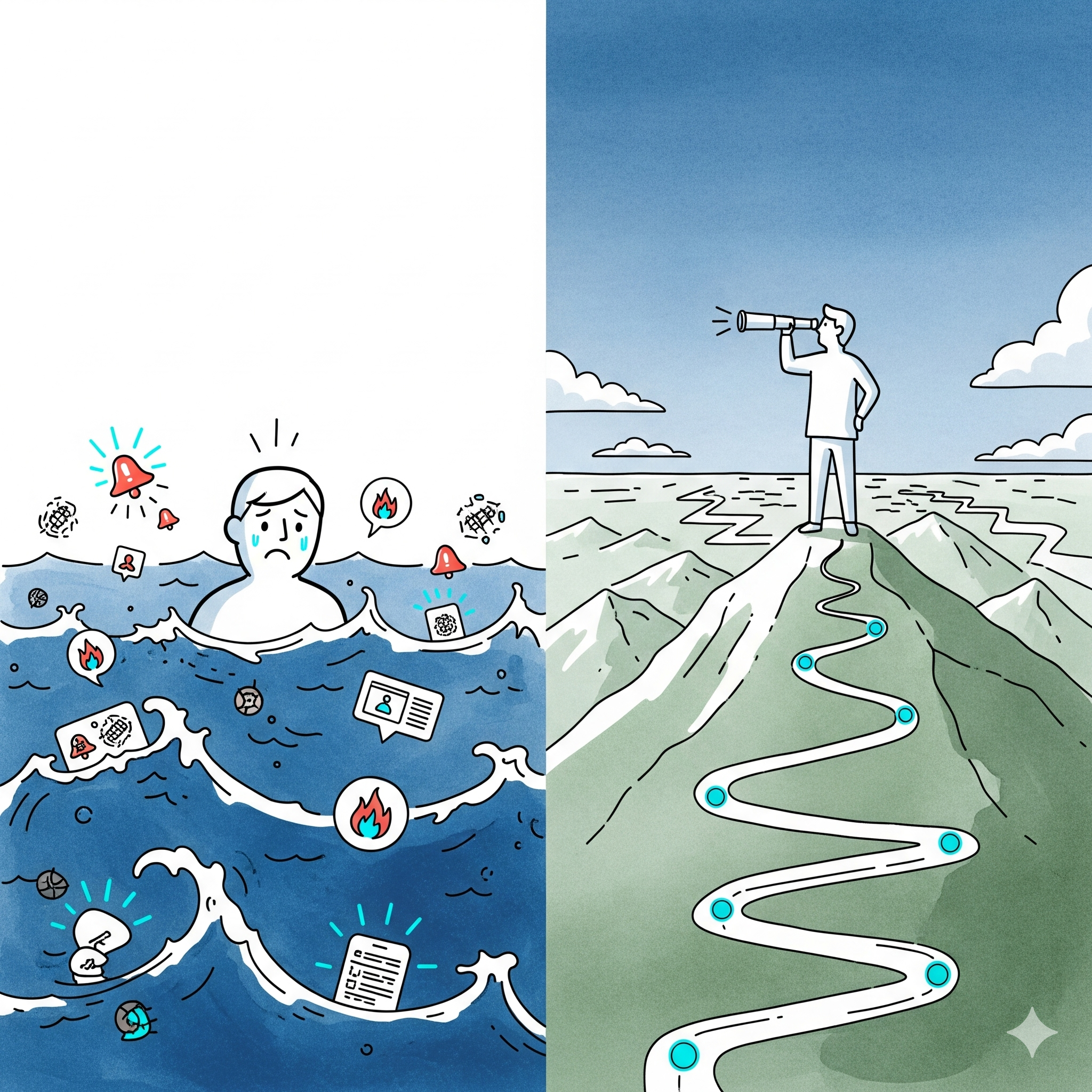
From Reactive to Strategic: The 90-Day Framework for Product Leadership Transformation
Product managers are drowning in reactive work, with 73% spending over 60% of their time firefighting instead of building strategic capability.
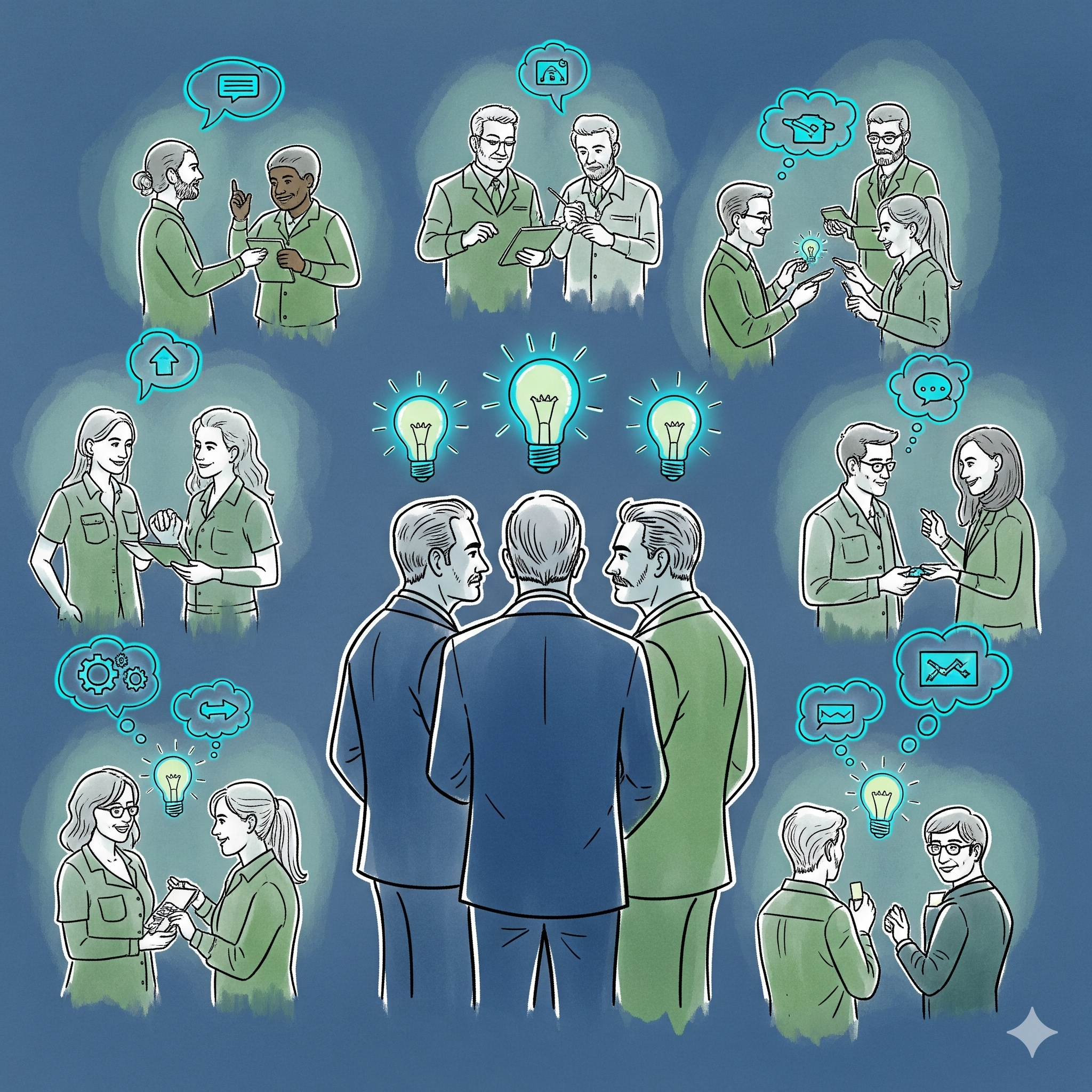
The Hidden Innovation Hiding in Your Organization
The most valuable product insights often hide in plain sight at the edges of organizations among customer service teams, junior engineers, and new hires.
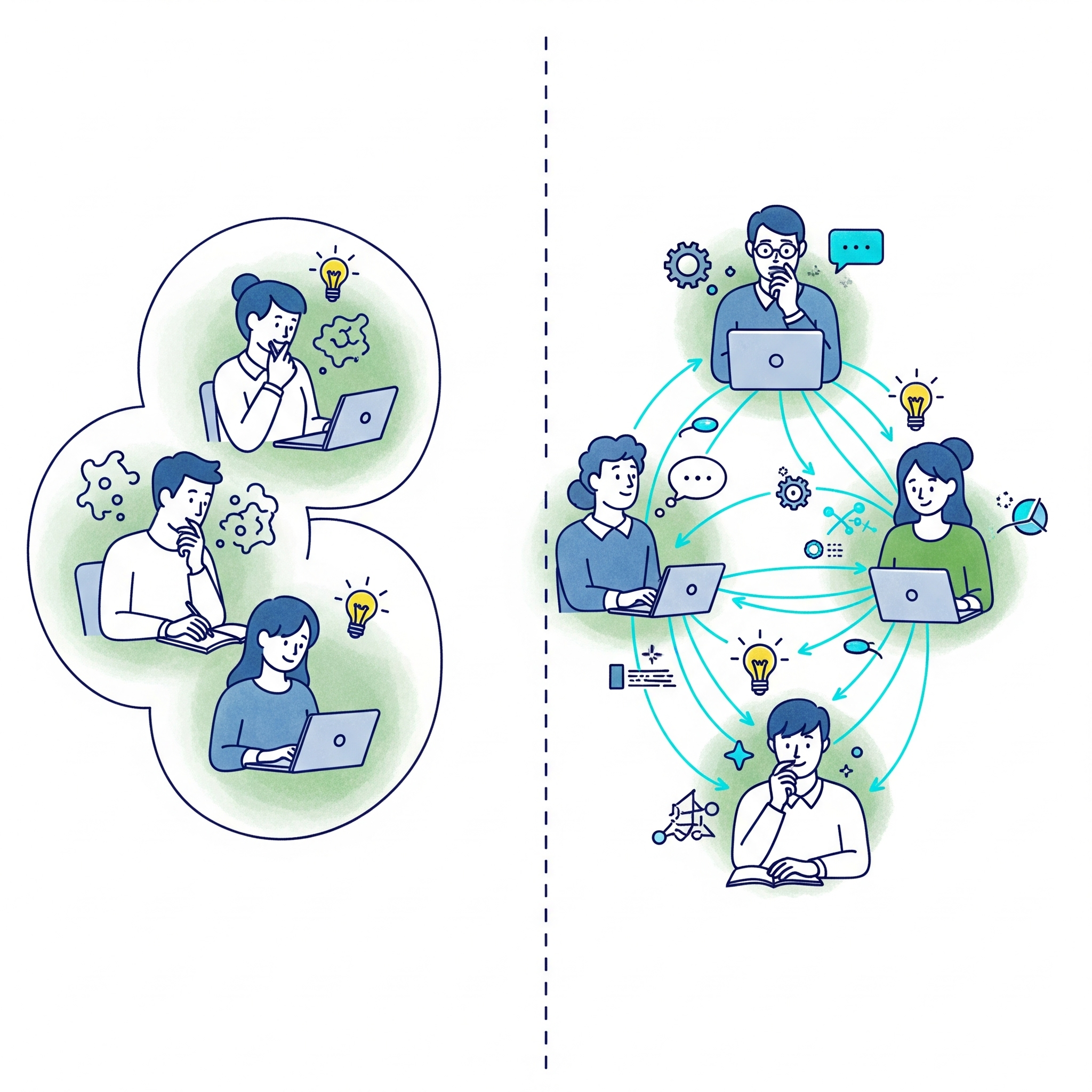
Product Communities vs. User Communities
While most organizations invest heavily in external user communities, they completely neglect internal product communities, creating costly silos and missed innovation opportunities.
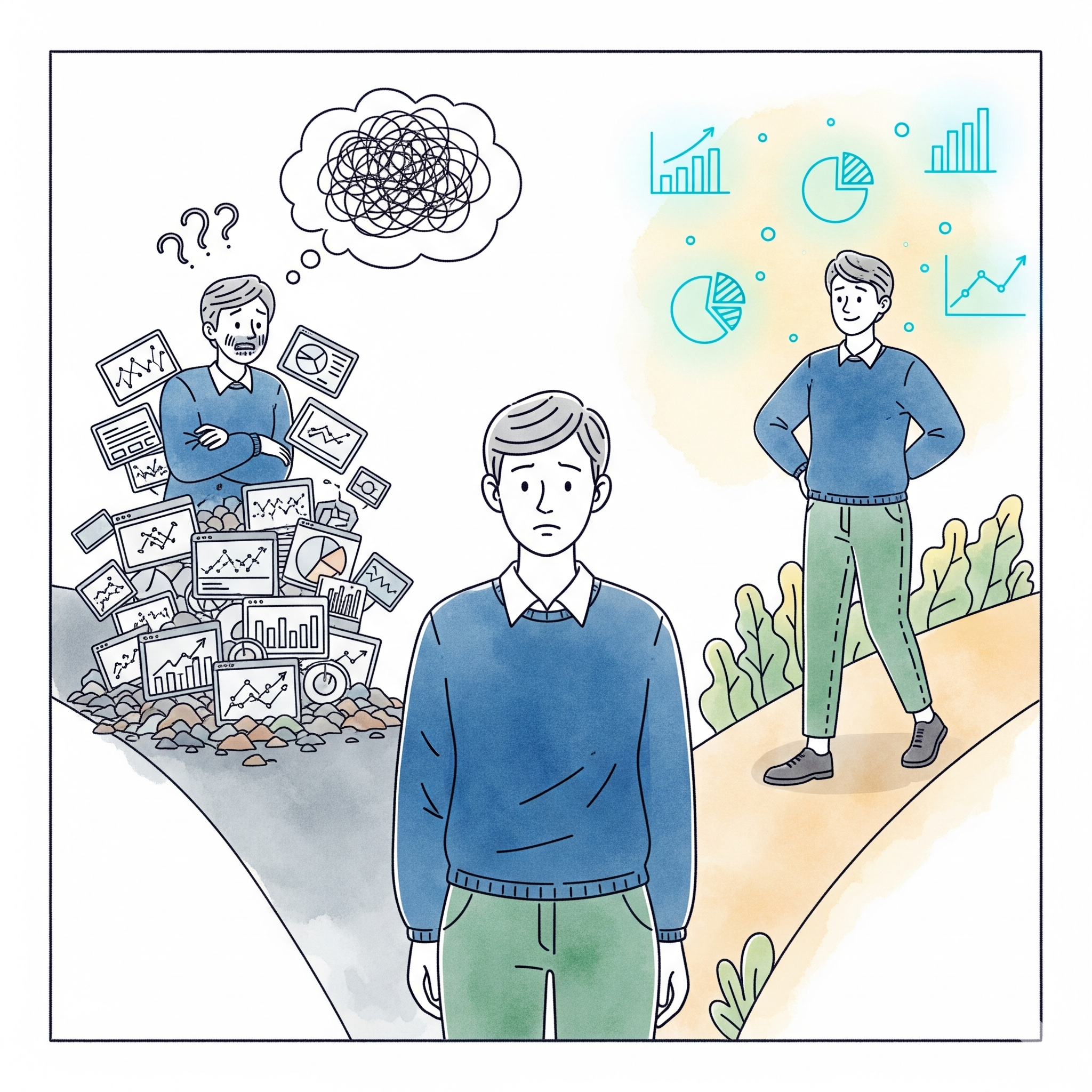
Data-Informed vs. Data-Driven
Product managers are drowning in data and analytics tools, creating a dangerous false belief that more data automatically leads to better decisions.

The Remote Product Leader's Playbook
Remote product leadership isn't just about managing teams from a distance. It's about fundamentally reimagining how breakthrough innovation happens.

Scenario Planning for Product Managers
Most product managers build strategies as if the future were predictable. They create detailed roadmaps, set confident timelines, and allocate resources based on a single vision.

The Consultation Revolution
If you're like most product managers, you spend 60-80% of your time in meetings that feel like productivity black holes.

Building Your Product Career Moat
The product management job you have today won't exist in five years. Not because the role is disappearing, but because everything that makes you valuable is changing.

The Empowerment Paradox
Most product leaders have it backwards. They believe that maintaining tight control over decisions, processes, and outcomes is necessary for achieving results.
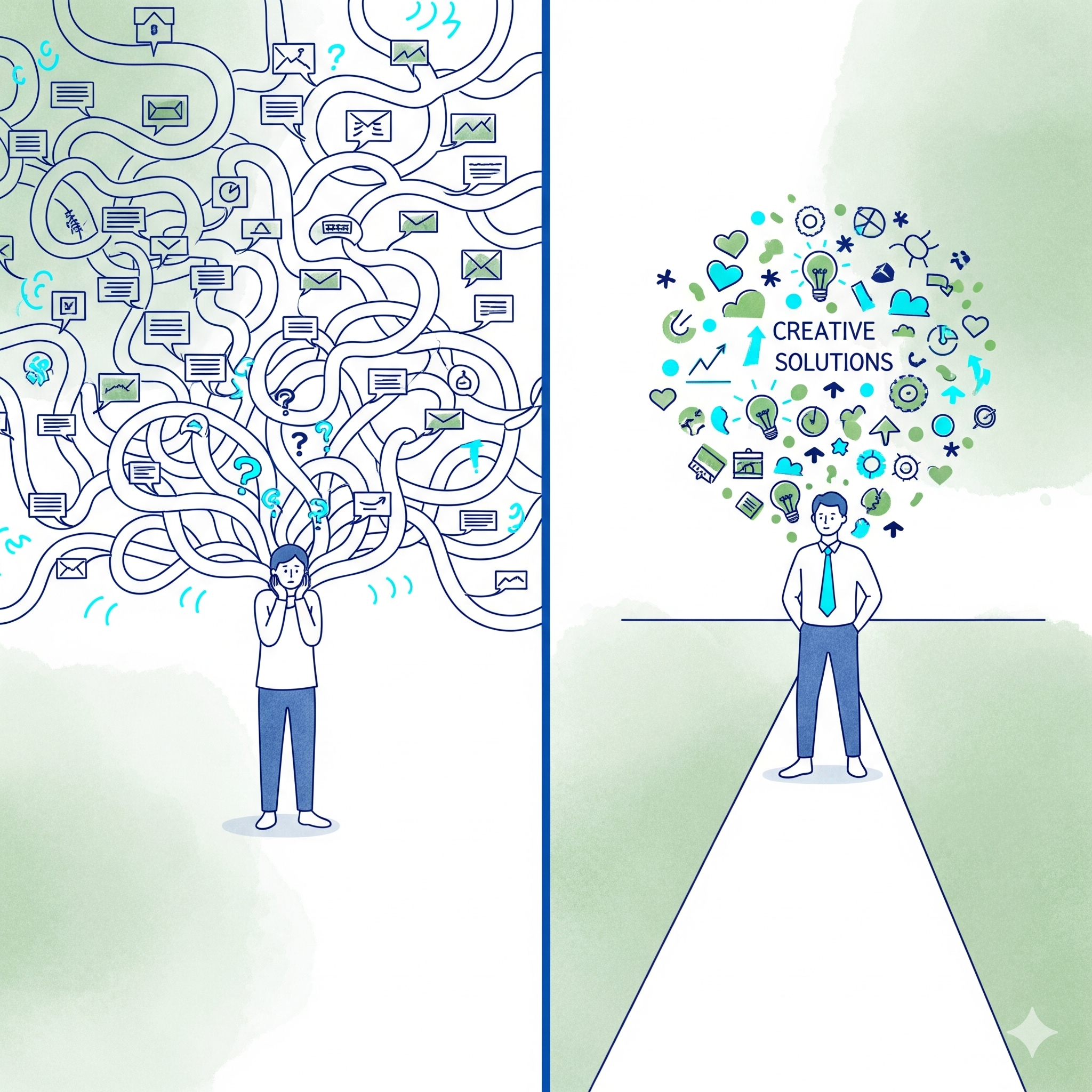
Healthy Constraints: How the Right Limitations Unlock Innovation
I ran a product that let business owners manage and respond to reviews from customers about their offerings. It was a sensitive area where one negative review could really upset our partners.
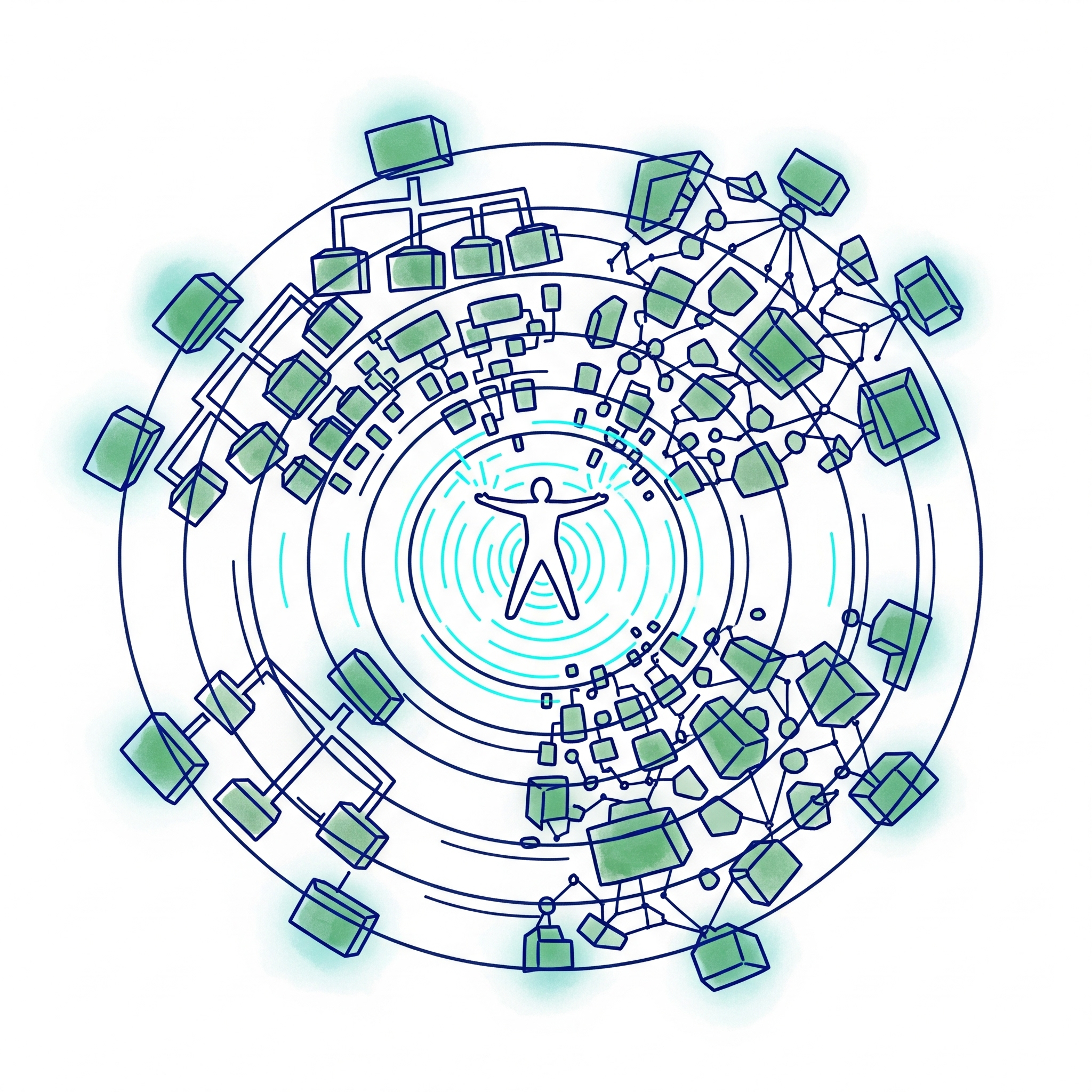
The Product Manager's Guide to Organizational Change
I worked at a company that had acquired five big competitors in two years in a roll-up strategy. My job, as a platform PM, was to get everyone aligned.
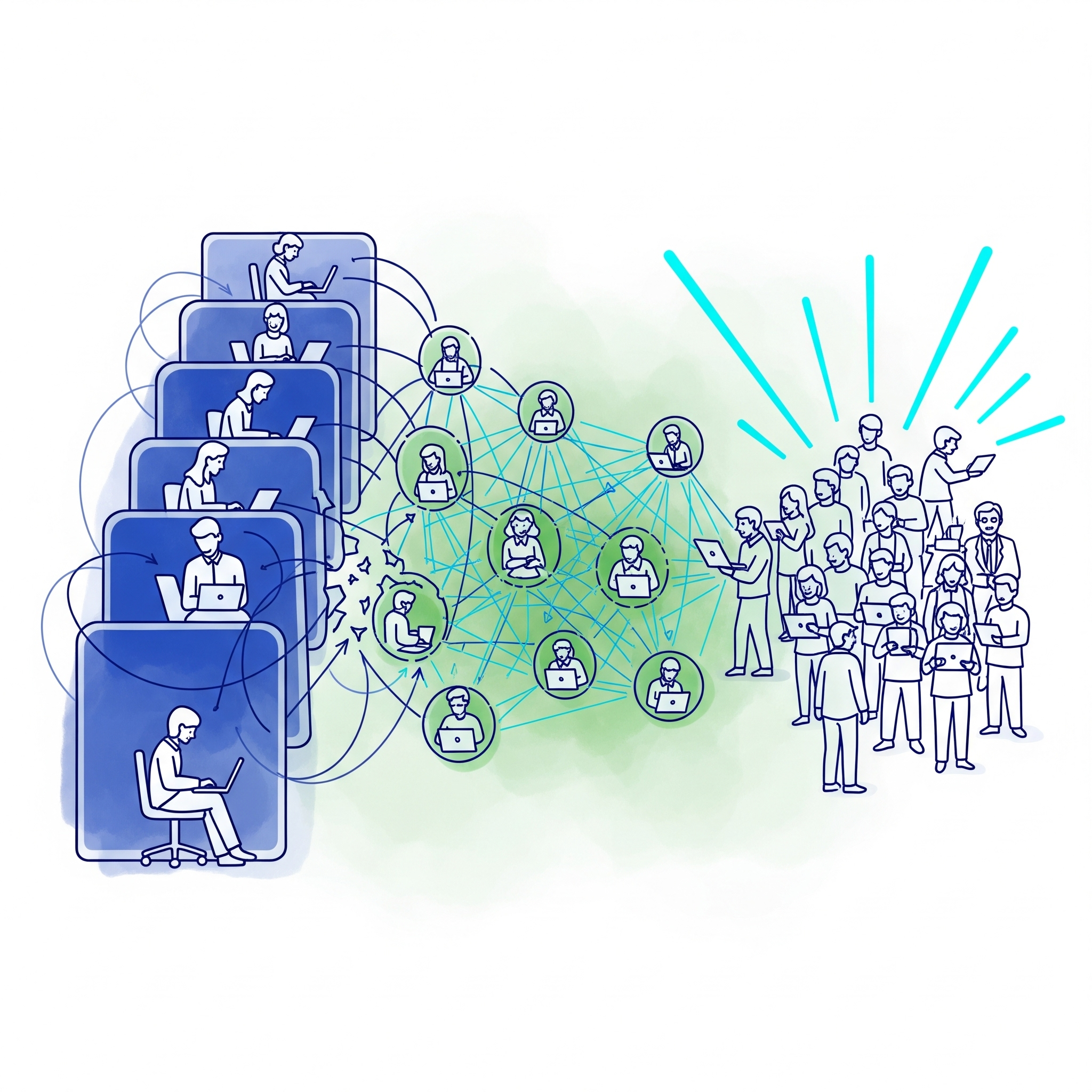
Building Your Learning Community
I took over a data science team that was building advanced scoring models for content assessment and evaluation.
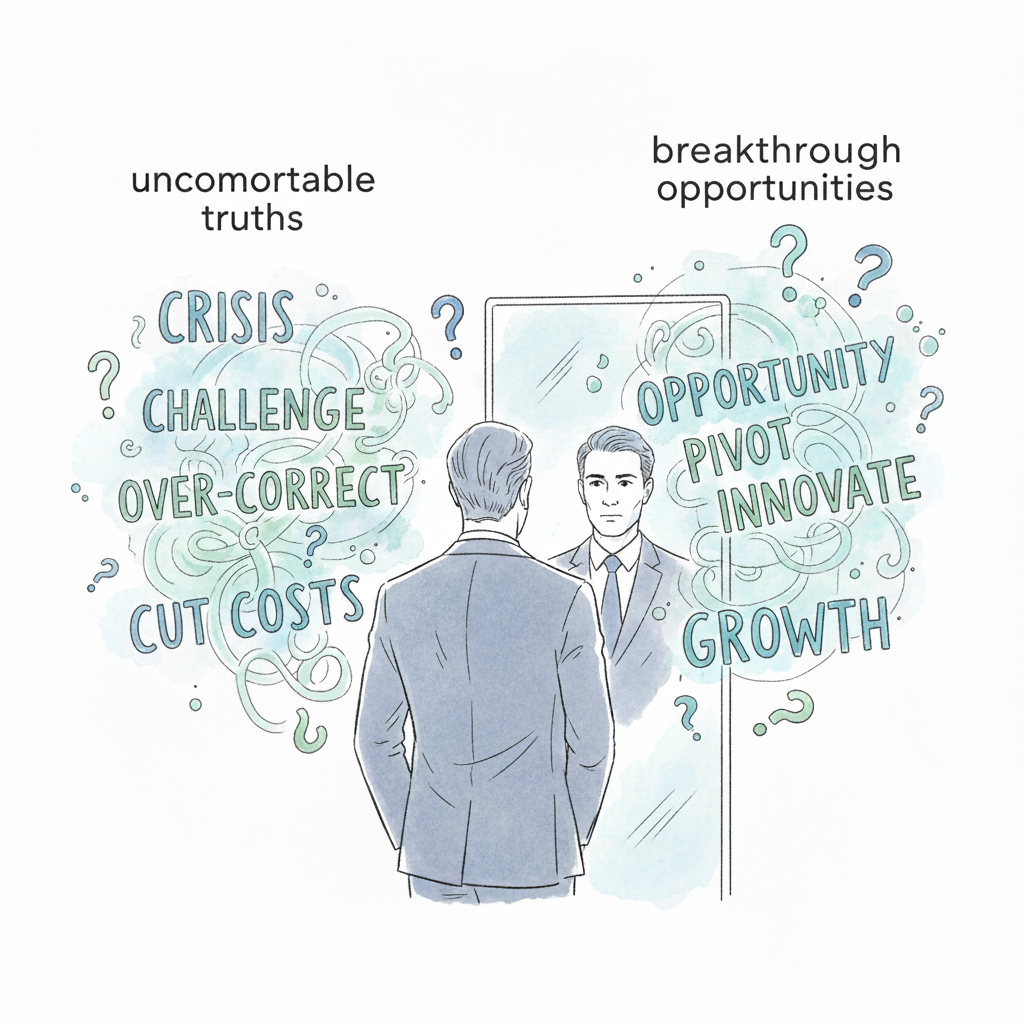
Existential Questions: The Strategic Tool Most Product Managers Are Afraid to Use
I joined a company that was building a new user experience to manage image uploads and moderation.
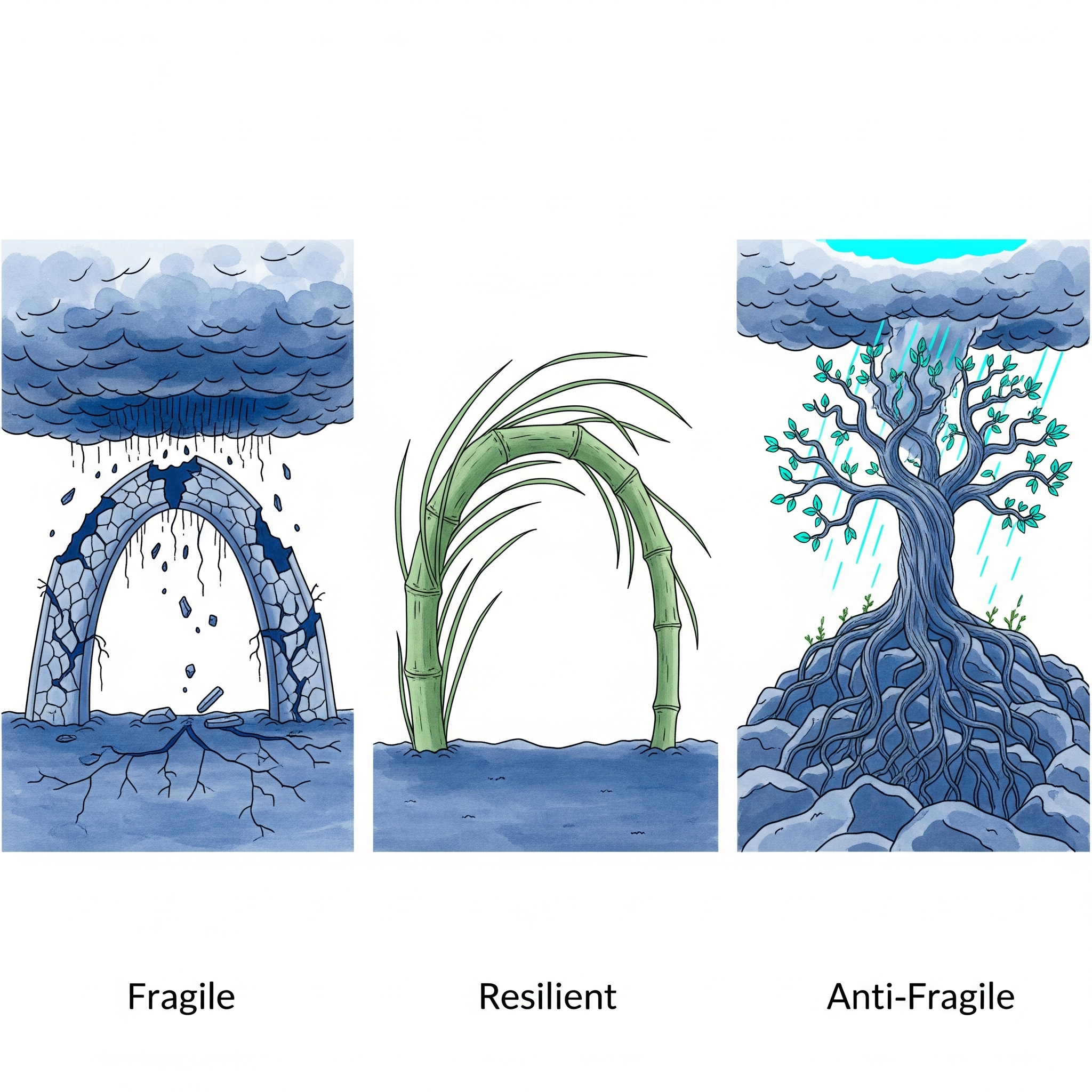
The Adaptive Advantage
I took over a product that had been launched as a side project by another product manager. She had been gritty and gone around using our standard systems.