My First Boss Taught Me Everything About Innovation (By Accident)
One of my first bosses in product management was actually a customer service manager who realized he was spending more time acting like a PM than managing customer service. He convinced leadership to let him create a new product team and hire actual PMs. I became his first hire.
What shaped me more than any MBA course was his perspective from working directly with customers and sales teams every day. He showed me the real, messy, unfiltered voice of customers struggling with our products in the field.
To this day, whenever I start a new PM role, I spend my first day sitting with customer service agents and salespeople, then reach out directly to key customers. It builds trust, helps me identify edge thinkers I can return to later, and gives me an unvarnished picture of product performance from the front lines.
That boss taught me that innovation doesn't come from the top down. It comes from the edges where your organization meets the real world.
The Multi-Million Dollar Idea That Almost Got Ignored
A few years later, I experienced firsthand how easily breakthrough innovations get missed when organizations don't listen to their edges.
I was working with a technical architect who understood that properly structuring our unstructured data would unlock tremendous capabilities in chatbots, AI, and reporting. He started prototyping taxonomy solutions in his spare time, just for fun.
When he showed me his demo, I was impressed. The tool addressed real problems I'd been hearing from customers. Unfortunately, we had no budget for this kind of infrastructure work. I encouraged him to keep exploring.
Later that year, our company acquired a rival, and we suddenly had a cross-organizational integration project with real resources. The obvious solution was to dump their data into our existing system. But I remembered the architect's taxonomy solution and asked him to demo it to the integration team. Both teams immediately saw the potential.
The project was a massive success, generating millions in additional revenue through improved AI capabilities, newfound efficiencies, and system cost savings. This innovation would have been completely missed if I hadn't built a relationship with that architect and created space for him to share his ideas.
The Innovation Hierarchy Problem
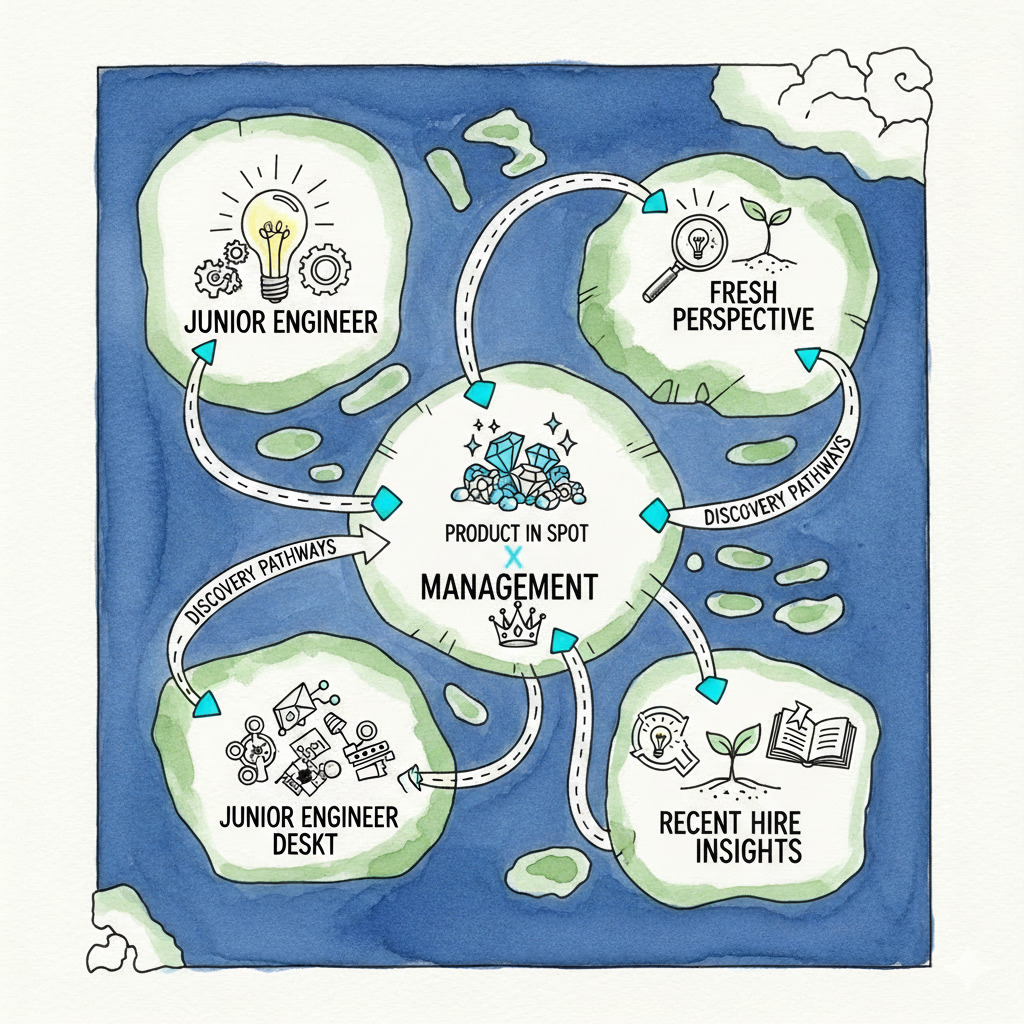
Both of these experiences taught me the same thing: organizations have an innovation hierarchy problem. Ideas get valued based on the seniority of their source rather than their potential impact.
The architect's taxonomy solution almost got ignored because infrastructure ideas from individual contributors don't get airtime in executive strategy sessions. My CS-manager-turned-boss saw opportunities that executives missed because he was working at the edge where the organization met real customers. In both cases, the people closest to real problems were the ones most likely to see what everyone else was missing -- precisely because they hadn't been conditioned by "that's how we've always done it" thinking.
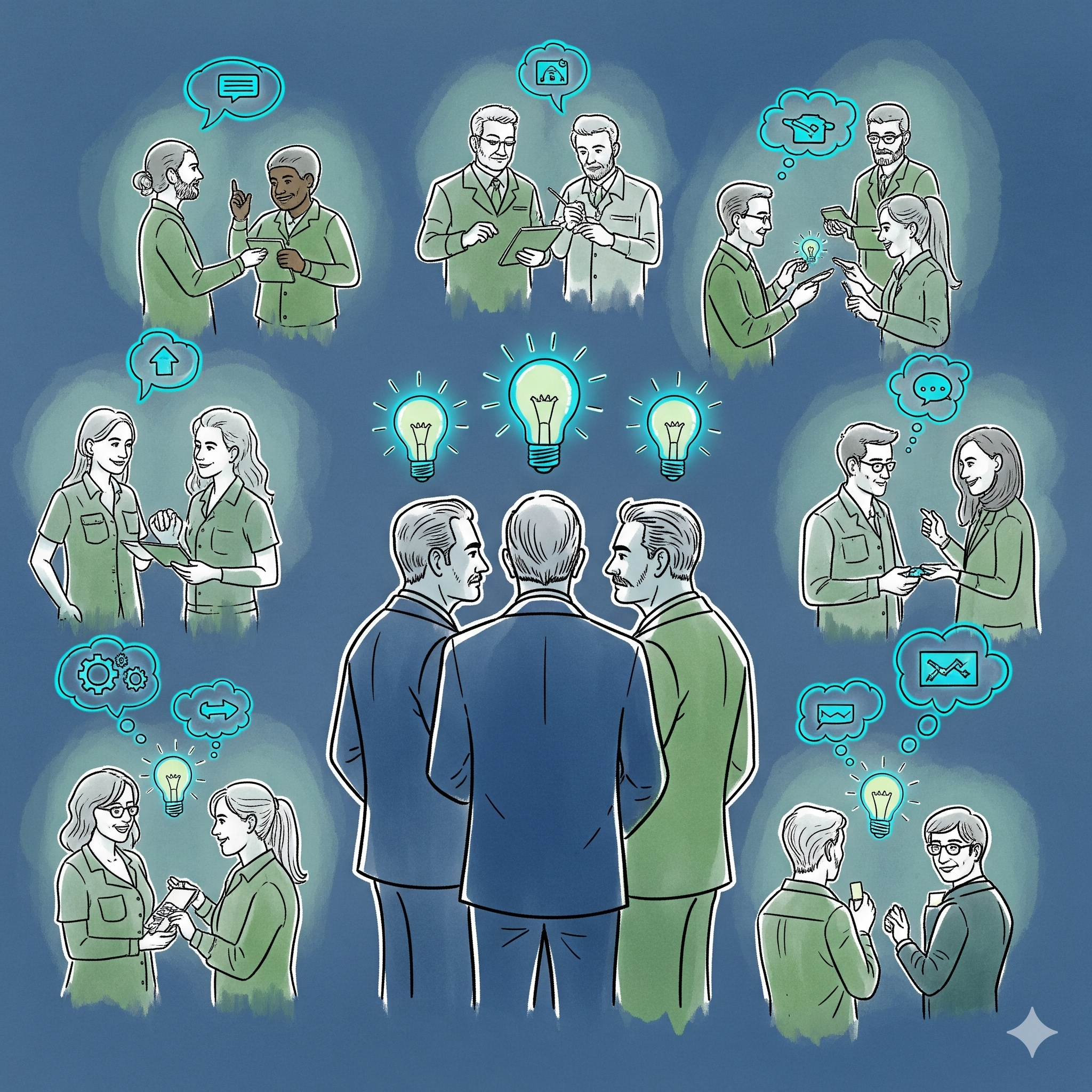
The common thread in both stories was relationships. My first boss built a relationship with me and showed me what unfiltered customer feedback looked like. Years later, I built a relationship with that architect and created space for him to keep exploring his idea. Neither breakthrough would have happened through a suggestion box or an innovation committee. They happened because someone took the time to listen at the edges -- and then acted on what they heard.
If you want to find the innovation hiding in your organization, start there. Build real relationships with the people at the boundaries -- customer service, junior engineers, new hires. Create regular touchpoints where they can share unfiltered insights. And when someone shows you a prototype they built in their spare time, pay attention.