Thirty minutes with the support team
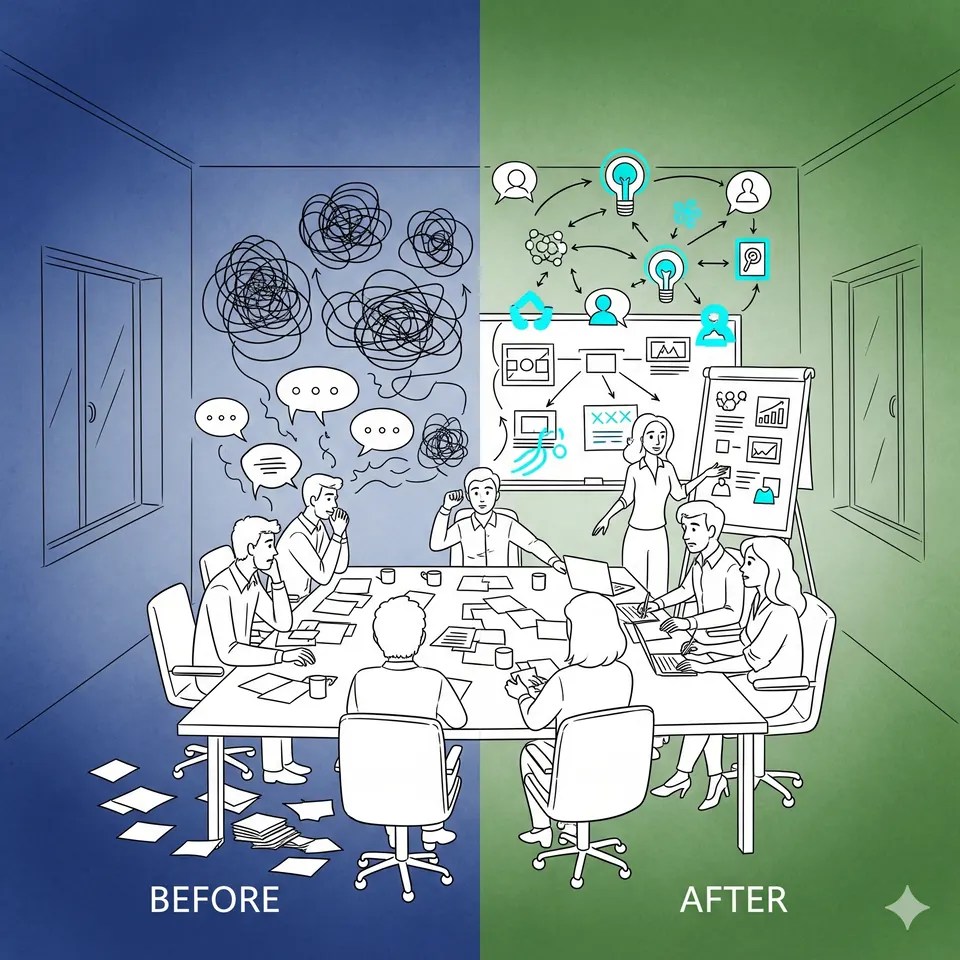
I learned how much a consultation-based meeting can do from the customer service team at a previous company. Our monthly meetings followed the standard format. I would present upcoming feature releases, planned maintenance windows, and whatever else the agents needed to know. They would ask clarifying questions, and we'd wrap up in thirty minutes.
I wanted those agents contributing to our product roadmap, not just receiving updates about it, and that meant changing how the meetings worked.
The first few sessions were awkward. I asked for their product ideas and suggestions, and when agents brought up a feature idea, I asked for evidence. As a product manager, I couldn't act on "because customers will like it" or "because I heard someone mention it once." I needed some data to weigh their suggestions against everything else in my backlog. From customer service, that meant ticket counts, customer verbatims, specific requests from sales leads, or measurable trends in support interactions.
The agents pushed back. Gathering evidence felt like busywork that would slow down their ticket resolution times. As we kept at it, though, they started to see what the data was for.
Proper tagging and documentation became a way to build a case that could change the product. Their insights could influence the roadmap, and their contributions could be highlighted in performance reviews and team meetings.
The team started tagging tickets more effectively. They found creative ways to spot trends in the data. They asked more follow-up questions when they had customers on the phone. They became a source of key information about the product, the market, the industry, and even our competitors, who were trying to hire them away from us.
Our products got better because we were solving real customer problems with evidence behind them. Our customer service analytics got more useful because agents understood how their data was being used. And the agents liked their jobs more, because they had real influence over the products they supported every day. All of that came from turning a one-way information dump into an ongoing conversation about how we could serve customers better together.
Four changes to the meeting
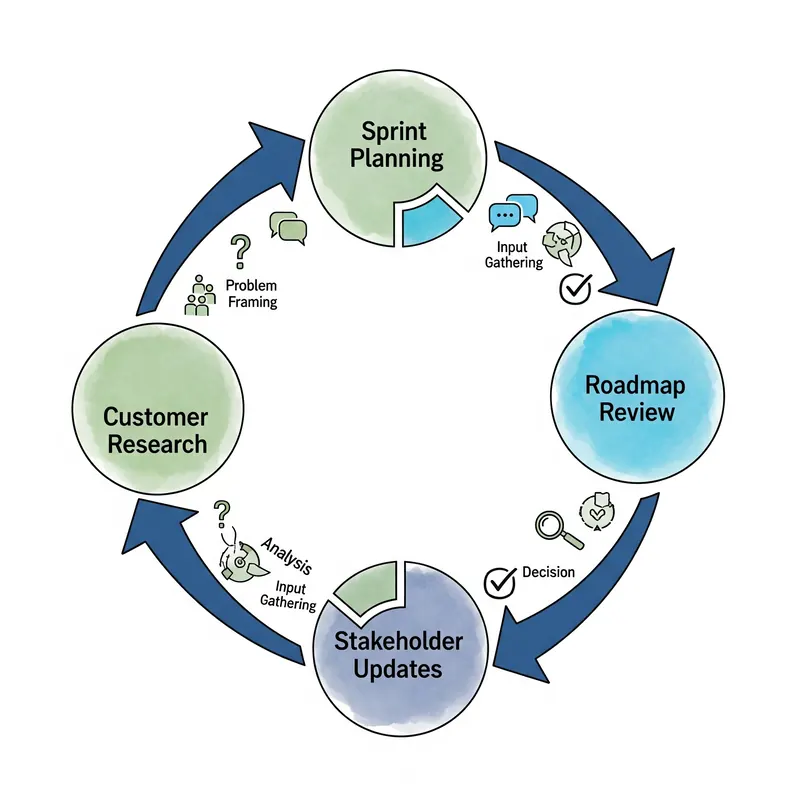
Open with a question
I stopped opening with "here are this month's updates" and started with "What are the top customer pain points you're hearing this week?" That one change shifted the energy of the room. The agents were there to define the problem we'd solve together, and the meeting had a purpose they owned.
Homework, at first
I asked agents to come prepared with ticket data and customer verbatims. At first this felt like homework nobody wanted. Once they saw their data showing up in product decisions, the preparation became a point of pride. They tagged tickets more carefully because they knew the data would be used, so the meeting turned into the visible end of evidence-gathering that went on all month.
One yardstick for every idea
We evaluated ideas against actual support volume and customer impact, not gut feelings about what customers wanted. When an agent proposed a feature, we looked at it alongside competing priorities using the same questions: how many customers does this affect, how severe is the pain, and how does it compare to what else is in the backlog? That kept the conversation grounded and showed everyone that each suggestion got a fair hearing.
Decisions before anyone leaves
Every meeting ended with clear decisions about what would go into the product backlog, who would gather more data if we needed it, and when we'd revisit open items. The agents could see exactly how their input turned into action, so their ideas stopped disappearing into a void.
Fewer meetings won't fix this
The agents ended up shaping what we built, and the product got better for it. We were solving real, measured customer problems where before we had been guessing at priorities from the product team's distance.
Most product teams have the same gap we had. In Product-Led Alliance's State of Product Management research, product professionals rated their confidence that non-product teams understand the product vision and strategy at 3 out of 5 on average. Our monthly update meeting was never going to move that number for the support team. Making them part of the decisions did.
If your meetings feel like a waste of time, I'd pick the worst one and redesign it around a question and a decision before cancelling anything. A meeting that only moves information around is usually a document someone is reading out loud.